
Key Takeaways
- Gentle first. For sleeplessness, Panchakarma mostly means gentle, oil-based therapies. Strong cleansing is not usually the first choice, and Ayurvedic texts warn that overdoing it can itself disturb sleep.
- Matched to the person. Restless, windy Vata-type sleep and overheated Pitta-type sleep are treated differently: warm, oily therapies for one, cooling ones for the other.
- Eight therapies explained. Abhyanga, Padabhyanga, Shiroabhyanga, Shirodhara, Shiropichu, Shirobasti, Nasya and Basti are described below in plain words.
- Needs a trained practitioner. Please do not try Shirodhara or Shirobasti at home. Ask first if you are pregnant, unwell, frail or living with a long-term condition. Chest pain, sudden breathlessness or sudden confusion need urgent help .
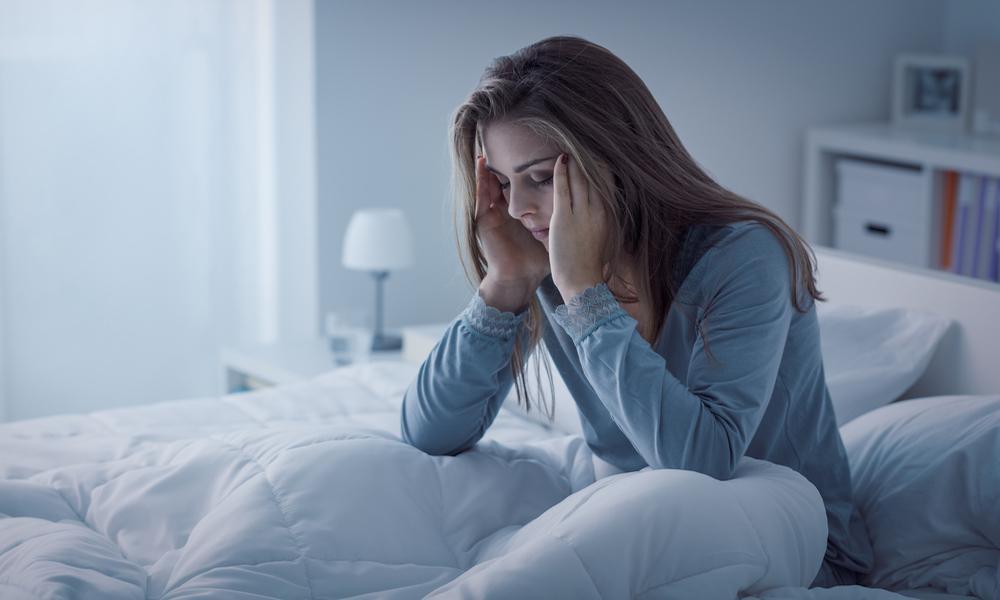
If your nights have become long and restless, you may feel you have tried everything. You turn from side to side, your mind keeps running, and morning arrives before you have rested. Please know that you are not alone, and that this is a very old problem. Ayurveda has been writing about it for thousands of years.
I am Dr. Rushalli Nair. In my 20+ years as an Ayurvedic physician, sleeplessness is one of the most common things people bring to me. In this guide, I explain how Ayurveda understands insomnia and what Panchakarma for insomnia really means. I also describe each therapy in plain words: what happens, how it feels and who it may suit. I will not promise a cure or a fixed result. Every person is different.
How Does Ayurveda See Insomnia?
Ayurveda calls sleep Nidra and sleeplessness Anidra. The old texts name Nidra as one of the three main pillars of life, along with food and disciplined living. In this view, sleep feeds and repairs the body and mind. When it goes missing, the whole person feels it.
Ayurveda explains insomnia through the doshas. These are three basic patterns, called Vata, Pitta and Kapha, that describe how a person’s body and mind tend to work. Two of them matter most for sleep.
- Vata is the “wind” pattern. It governs movement and thinking. Picture a windy night when shutters rattle and nothing stays still. A racing mind, light sleep and waking often fit this picture.
- Pitta is the “fire” pattern. It governs heat and sharpness. A warm, overactive mind at night, irritability and waking in the small hours fit this picture.
The texts say sleeplessness mainly comes from Vata being aggravated, often together with Pitta. They also name many everyday triggers. These include irregular or unsuitable food, late nights, worry, anger, fear and grief. They even warn that too much of a strong cleansing treatment can disturb sleep.
This is a traditional way of understanding the body. I use it as a guide to understand the person in front of me, not as a label.
What Does Panchakarma Mean?
Panchakarma means “five actions.” These are five classical cleansing treatments: therapeutic vomiting (Vamana), therapeutic purging (Virechana), medicated enema (Basti), nasal treatment (Nasya) and bloodletting (Raktamokshana).
In everyday use, people also say “Panchakarma” for the gentle oil-based therapies that prepare and support these treatments. For insomnia, these gentler therapies are the ones used most. The aim is to calm, nourish and settle the system, not to strip it.
The aim is to calm, nourish and settle the system, not to strip it.
Here is something I always want people to know. Strong cleansing treatments are not usually the first choice for sleeplessness. Ayurvedic texts warn that overdoing them can itself aggravate Vata and disturb sleep. So the plan must be matched to the person, and it should be done only under a qualified practitioner.
The Main Panchakarma Therapies Used for Insomnia
Below are the therapies most often described for Anidra. Not every person needs all of them. Usually a few are chosen after a proper assessment.
1 Abhyanga (Warm Oil Body Massage)
Abhyanga is a full-body massage with warm medicated oil, given with slow, steady strokes. It is often followed by a warm bath or gentle herbal steam to help the oil settle in.
Ayurveda sees oil as the natural opposite of the dryness and restlessness of Vata. Many people find an abhyanga session deeply soothing. It is one of the most common starting points for sleep care.
AT A GLANCE Traditionally used for restlessness, dryness and general tiredness.
2 Padabhyanga (Foot Massage)
Padabhyanga is a gentle massage of the feet with warm oil. Sesame oil is often used, though the oil can be chosen to suit you.
Ayurveda treats it as part of a healthy daily routine. The texts say each foot holds five vital points, called marma, and that foot massage relaxes the body, eases tiredness and helps sleep. It is also one of the few therapies you can learn to do at home in the evening, once your practitioner has shown you how.
AT A GLANCE Traditionally used for evening wind-down, tired feet and sleep.
3 Shiroabhyanga (Head Massage with Oil)
Shiroabhyanga is a slow massage of the scalp with medicated oil. It is the simplest of the four head oil therapies that Ayurveda groups under Murdhni Taila, meaning “oil therapies for the head.”
It is traditionally used for tiredness, worry, tension and restless nights. It also makes a calm start to the other head therapies below.
AT A GLANCE Traditionally used for worry, tension and a busy mind.
4 Shirodhara (A Steady Stream of Warm Liquid on the Forehead)
Shirodhara is probably the best-known therapy for sleep. You lie comfortably on your back, with your eyes covered. A thin, steady stream of warm liquid is poured over the forehead and gently moves from side to side. A session usually lasts around 30 to 45 minutes, and a course is given over a number of days.
The liquid is chosen for the person. It may be:
• Medicated oil (Taila Dhara), usually for the dry, restless Vata type of sleeplessness. Oils made with calming herbs such as Jatamansi are used in classical practice.
• Buttermilk (Takra Dhara), traditionally used when heat and Pitta are strong.
• Milk (Ksheera Dhara), a gentle option that is soothing and nourishing.
Many people feel deeply quiet during Shirodhara, and some drift off. It needs a trained therapist, correct temperature and the right liquid. If done wrongly, it may not suit the person, so please do not try it at home.
AT A GLANCE Traditionally used for a racing mind and restless or overheated sleep.
5 Shiropichu (An Oil-Soaked Pad on the Crown)
Shiropichu means keeping a piece of cotton or gauze soaked in warm medicated oil on the top of the head. The pad stays in place for a set time while you rest, and it is kept warm.
It is quieter and gentler than Shirodhara or Shirobasti. It is often chosen for people who are tired, frail or sensitive, or when sleeplessness is combined with anxiety.
AT A GLANCE A gentler head therapy for sensitive people.
6 Shirobasti (A Pool of Warm Oil Around the Head)
Shirobasti is the most involved of the four head oil therapies. You sit comfortably. A tall cap made of leather or a similar material is fitted around your head and sealed to the forehead with a soft dough made from black gram flour. This stops any leaks. Warm medicated oil is then poured in until it covers the scalp. It is kept warm and stays for about 25 to 45 minutes.
Afterwards, the oil is removed gently. Your head, neck and shoulders are given a light massage. You are advised to keep warm and to avoid cold breezes and cold food for the rest of the day.
Some people feel a little heaviness in the head, which usually settles. Shirobasti is not suitable during fever, infection or acute inflammation. Your practitioner will check this before beginning.
AT A GLANCE Traditionally used for stubborn, Vata-type sleeplessness.
7 Nasya (Medicated Drops Through the Nose)
In Ayurveda, the nose is called the doorway to the head. Nasya means placing a few drops of warm medicated oil into the nostrils. This is done after a gentle face and neck massage and some warmth.
For sleeplessness, a nourishing type of nasya, called Brimhana Nasya, is often used when the picture is mainly dry and Vata-like. Please note that the texts also say too much nasya can itself disturb sleep. Dose, timing and number of days matter a great deal.
Nasya is not usually done during pregnancy, when you have a cold or fever, or soon after eating. It is one more reason to choose a trained practitioner.
AT A GLANCE Traditionally used for dry, Vata-type restlessness.
8 Basti (A Medicated Enema)
Basti is a medicated oil or herbal decoction given gently through the lower passage. Ayurveda considers it the foremost treatment for aggravated Vata, which is why it features in classical advice for Anidra.
It is not a first-visit treatment. It is given as a course, after the body has been prepared with oil massage and warmth, and under close supervision. It is not suitable for everyone, particularly people who are frail, unwell or pregnant. I mention it so that you know what the word means when you meet it, not to suggest everyone needs it.
AT A GLANCE Traditionally used for strongly aggravated Vata.
Other Supporting Therapies You May Hear About
• Karna Purana: warm oil held for a short time in the ear canal.
• Netra Tarpana: warm medicated ghee or oil held around the eyes in a small dough ring.
• Shiro Lepa: a cooling or soothing herbal paste applied to the head.
These are used in some plans, but not for everyone.
A Quick Comparison
| Therapy | What happens | Traditionally used for |
| Abhyanga | Warm oil massage of the whole body | Restlessness, dryness and general tiredness |
| Padabhyanga | Warm oil massage of the feet | Evening wind-down, tired feet and sleep |
| Shiroabhyanga | Oil massage of the scalp | Worry, tension and a busy mind |
| Shirodhara | Warm liquid poured steadily on the forehead | A racing mind and restless or overheated sleep |
| Shiropichu | An oil-soaked pad kept on the crown | A gentler head therapy for sensitive people |
| Shirobasti | Warm oil pooled in a cap around the head | Stubborn, Vata-type sleeplessness |
| Nasya | Warm medicated drops in the nose | Dry, Vata-type restlessness |
| Basti | A medicated enema, given as a course | Strongly aggravated Vata |
Which Therapy Suits Which Kind of Sleeplessness?
Ayurveda matches treatment to the person, not just the problem. As a rough guide:
• Restless, light, broken sleep, worry, a mind that will not stop points to Vata. Warm, oily, nourishing therapies such as abhyanga, padabhyanga, Shirobasti and nourishing nasya are often chosen.
• Heat, irritability, an overactive mind, waking in the night feeling warm points to Pitta. Cooling therapies such as Takra Dhara and Ksheera Dhara are often chosen, with cooler oils.
Most people show a mix, and the pattern can change over time. This is why I start with a long conversation and a pulse check (Nadi Pariksha). It is the traditional way of feeling the pulse at the wrist to understand a person’s overall pattern. I use it as one part of a wider picture. You can read my blog Panchakarma and Nadi Pariksha : why this ayurvedic step matters.
What Will a Course of Therapy Feel Like?
Most of these therapies are quiet and unhurried. You are usually asked to arrive without a heavy meal. The room is warm and calm, and the oil or liquid is kept comfortably warm.
- Many people feel relaxed, heavy-eyed or sleepy afterwards. Please plan to rest, and avoid driving straight after a head therapy.
- During a course, you will be asked to keep warm, avoid cold air and cold drinks, eat simply and keep regular times.
- A course is planned for each person. It may last days to a few weeks, and you will be asked how you feel as it goes on. I do not promise a timeline.
Ayurvedic Remedies for Sleep Disturbances Beyond Panchakarma
Therapies are only part of care. Ayurveda gives equal weight to daily life:
• Going to bed and waking at roughly the same times
• A lighter evening meal, taken early
• Switching off screens and bright lights well before bed
• A warm bath and a gentle foot massage before sleep
• Calm breathing, gentle yoga or quiet time in the evening
Some herbs have been used for sleep for a long time. Shankhpushpi, Jatamansi, Brahmi and Ashwagandha are the names you will meet most. Herbs are medicines. Please do not start any of them on your own. The right herb, form and amount depend on the person, and some are not suitable in pregnancy, with liver trouble, or with other medicines.
What is the Best Ayurvedic Treatment for Insomnia?
People often ask me this, and my honest answer is that there are many gentle paths back to restful nights, and we can find the one that suits your age, strength, pattern of sleep and health. Most of the time it’s the combination of Panchakarma with lifestyle modification and herbs. Be wary of anyone who offers the same package to everybody.
There are many gentle paths back to restful nights.
If you are searching for insomnia treatment near you in Mumbai, here is what I would look for:
• A practitioner who holds proper, registered qualifications in Ayurveda
• A long first conversation, not a quick prescription
• Clear explanations of each therapy and why it is chosen
• Honesty about what the treatment can and cannot do
Who Should Be Careful, and When Should I Seek Help First?
Panchakarma therapies are gentle in the right hands, but they are not for everyone. Please tell your practitioner everything about your health, every medicine and supplement you take, and any other treatment you are having.
Please take extra care, and ask first, if you are:
• Pregnant or breastfeeding
• Running a fever, or have a cold, infection or acute illness
• Frail, recovering from illness or due to have surgery
• Living with a long-term health condition
Please do not stop or change any prescribed medicine on your own.
Common Questions About Panchakarma for Insomnia
How many sessions will I need?
It depends on the person and the therapy. Some plans are a few days and some are a few weeks. I decide this with you after we talk, and I do not promise a timeline.
Does it hurt?
Most of these therapies are soothing. Nasya and Basti feel unusual, and I explain each step first. You can ask me to stop at any point.
Can I do Shirodhara or Shirobasti at home?
No. They need a trained therapist, the right set-up and the right oil. Foot massage with warm oil is a gentler habit you can learn for evenings.
Will I feel sleepy afterwards?
Many people do. Please rest, and avoid driving straight after a head therapy.
Is Panchakarma suitable for older adults?
It can be, but the therapies must be chosen gently. Older people often need milder options such as foot massage, head massage or Shiropichu, and a closer watch on how they respond.
Do I need to change my diet?
Usually a little. Simple, warm, regular meals taken early are the common advice. I explain the changes step by step.
A Last Word From Me
Sleeplessness can feel lonely, especially at three in the morning. But sleep can be coaxed back, slowly and kindly, with the right care, warmth and routine. Please be patient with yourself.
If you would like to talk through your own sleep in person, I am happy to sit down with you at Vedang Clinic in Bandra.
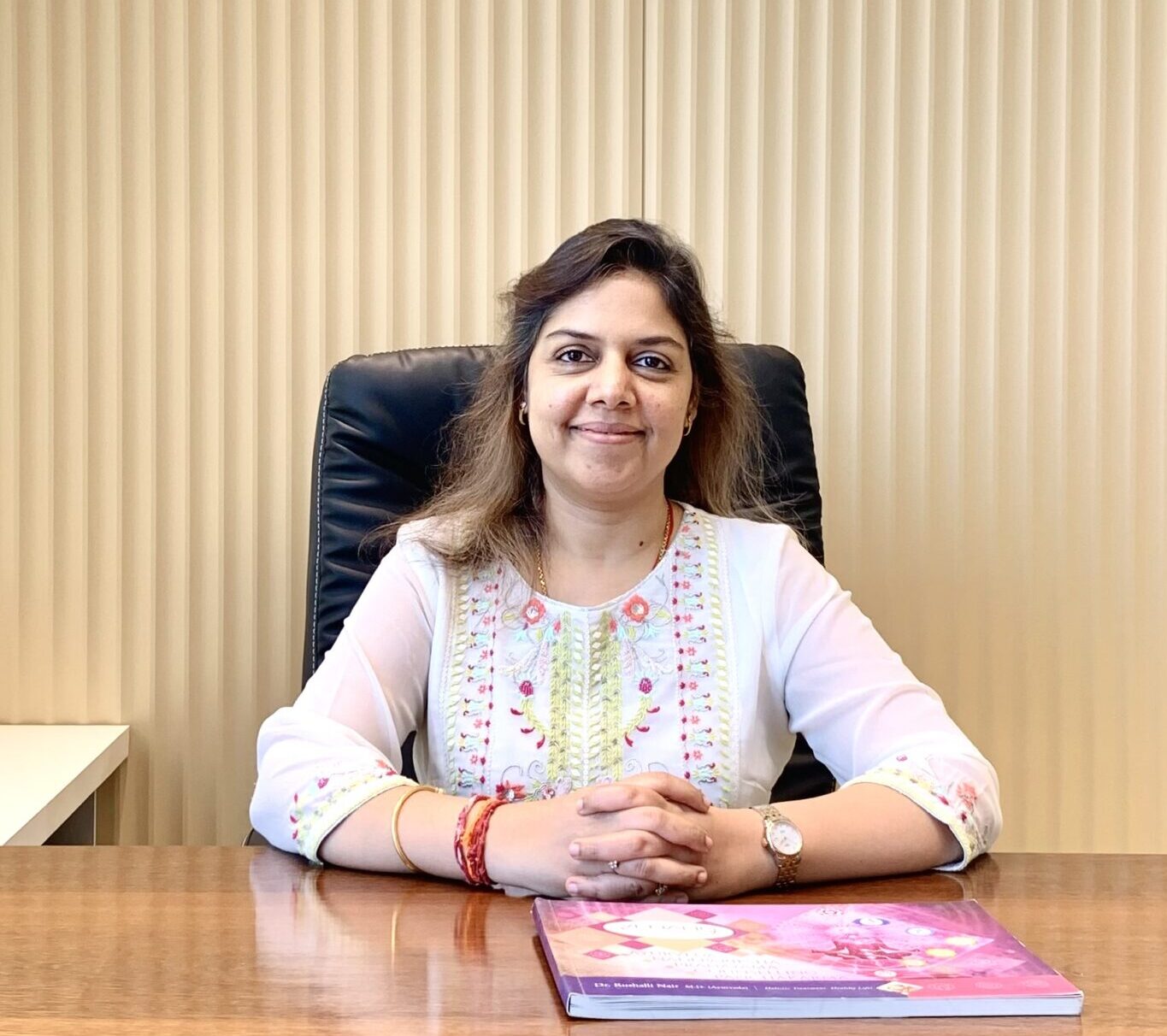
A meritorious alumna of the prestigious RA Poddar Ayurvedic College with profound spiritual understanding. She is trained in Nadi vidya by a strict guru-shishya lineage and has clinical experience with more than 20 years. An excellent orator who has been invited to various national and international platforms that empower audiences with the knowledge of Āyurveda. Dr. Rushalli Nair is the first-ever lady Vaidya who has been invited to Swaminarayan temple to offer her services to Sadhvis and devotees.