

Key Takeaways
- Shirodhara and Stress: In Ayurveda, a steady stream of warm herbal oil over the forehead is traditionally used to settle an overactive mind and invite deep rest.
- Who It Is For: It is often chosen for restlessness, light sleep, anxious tension, mental tiredness and stress held in the head and scalp.
- Doing It Right: The oil, the number of sessions and the timing are personal. A qualified Ayurvedic practitioner decides them, and some people should wait before starting.
Some nights the body is tired, but the mind keeps running. You lie down, and the day plays again, one worry after another. Or your shoulders and jaw stay tight even when everything around you is quiet. If this sounds familiar, please know you are in good company. Stress is one of the most common reasons people come to see me.
I am Dr. Rushalli Nair, an Ayurvedic physician (M.D., Ayurvedic Medicine), and I have practised in Bandra, Mumbai, for over 20 years. Ayurveda is India’s traditional system of medicine, and for many centuries it has cared for the mind and body together. One of its best-loved therapies for a restless mind is Shirodhara.
In this article, I will explain Shirodhara in simple words: what it is, how Ayurveda understands it, how it may help with the troubles that stress brings, and what a session is like.
Rest is not a reward for finishing everything. In Ayurveda, it is part of health itself.
What Is Shirodhara?
The word comes from two Sanskrit words: shiro, meaning head, and dhara, meaning flow. In Shirodhara, a thin, steady stream of warm liquid is poured over the forehead while you lie down and rest. Most often the liquid is a medicated herbal oil. Depending on the person, a practitioner may also choose medicated milk, buttermilk or an herbal decoction.
Ayurveda places Shirodhara among the “murdha taila” therapies, in which oil is applied to the head. It is usually not painful, and most people find it deeply quiet. It is given in a calm room by trained therapists, under the guidance of an Ayurvedic doctor.
Shirodhara at a Glance
| What it is | A steady stream of warm herbal oil, or another medicated liquid, poured over the forehead |
| Traditionally used for | Stress, restlessness, light sleep, anxious tension, mental tiredness and stress-related headaches |
| Session length | Usually about 30 to 60 minutes |
| Number of sessions | Often a series. Your practitioner will advise; many centres suggest roughly 5 to 14 |
| Liquids used | Medicated oils, milk, buttermilk or herbal decoctions, chosen for the individual |
| Who should wait | Fever, acute illness, pregnancy, recent neck injury, severe scalp skin conditions, epilepsy (see below) |
How Ayurveda Understands Stress
Ayurveda describes three main energies in the body and mind, called doshas. The one most connected with movement, including the movement of thoughts, is called Vata. It carries the qualities of air: light, quick and changeable.
Think of a lamp flame standing in an open doorway. A little breeze makes it flicker. A strong, steady wind makes it dance and sometimes go out. Vata is like that wind. When life becomes fast, irregular and demanding, Ayurveda says Vata goes out of balance. The flame of the mind flickers, thoughts jump about, sleep turns light, and the body feels dry, tense and tired.
Now picture the same flame inside a glass lantern, in a warm, still room. It burns steadily. Warmth, steadiness and shelter are the qualities Shirodhara is traditionally used to bring.
Ayurveda balances by opposites. Where there is dryness and restlessness, we offer oil, warmth and steadiness.
Some people feel stress differently. It shows up as heat: irritability, a short temper, burning eyes. Ayurveda connects this with another dosha, called Pitta, and a cooling oil may then be chosen. This is one reason I never give the same oil to everyone.
How Shirodhara Is Believed to Work
Ayurveda regards the head, and especially the forehead region, as the seat of the senses and the mind. When warm oil flows there in a steady, rhythmic stream, it is believed to soothe the restless energy of Vata, quiet the mind and invite deep rest. People often describe the feeling as their thoughts slowing down, like the steady sound of rain.
The oil, the warmth, the rhythm and the stillness all work together. That is why the choice of oil and the way it is given matter so much, and why a trained practitioner is important.
Benefits of Shirodhara for Stress-Induced Problems
In Ayurvedic practice, Shirodhara is traditionally used for stress and the troubles that follow it. Here are the ones I am asked about most. Results differ from person to person, and Shirodhara works best as part of a wider plan of care.
A restless, overactive mind
Practitioners use Shirodhara to settle racing thoughts and bring a sense of calm and clear thinking. People often tell me they feel quieter in the mind during and after a session.
Light, broken sleep
Sleeplessness is among the classical uses of Shirodhara. It is given to support sleep when a busy mind keeps you awake. It tends to work gradually over a series of sessions, not as a one-night fix. If sleep is your main worry, you can read more about Shirodhara for sleep in a separate article – Ayurvedic Insomnia Treatment : 8 great therapies and benefits.
Anxiety and nervous tension
For anxious, on-edge states, Shirodhara is traditionally used to support relaxation and emotional steadiness. The slow rhythm and the warmth help the body let go of tension it has been holding. You can read more about anxiety in a separate article – 6 Ayurvedic Methods to Heal Anxiety Naturally Today
Mental tiredness and burnout
When you have been “on” for too long, the mind tires in a deep way. Shirodhara is used to ease mental exhaustion and support focus and clarity. Eyes that feel strained after long hours at a screen often feel soothed as well.
Headaches and a tight scalp
Stress often settles in the head: a heavy feeling, a tight scalp, tension headaches. Shirodhara is traditionally used as a supportive therapy for these.
Scalp and hair wellbeing
Warm oil nourishes the scalp, so Shirodhara may support scalp health when stress has been affecting your hair. Hair fall can have many causes, so I look at the whole picture and not the scalp alone.
Shirodhara is not about doing something to your mind. It is about giving the mind a safe, warm place to settle.
What Does a Shirodhara Session Feel Like?
Many people feel nervous before trying something new. In my years of practice, I have noticed that people are often calmer once they know what will happen. So let me walk you through it.
Before the session
We begin with a conversation. I ask about your health, your medicines, your sleep and what is troubling you. I also look at your prakriti, which means your natural body-mind type, and your current balance. This is how I choose the right oil or liquid for you.
Wear something loose and comfortable. A light meal beforehand is usually better than coming very hungry or very full.
During the session
You lie on your back with your head well supported, and your eyes are gently covered. Warm oil is released in a steady, thin stream onto the forehead and moved slowly from side to side. Some centres add a gentle head massage before or after.
Most people feel warmth, a steady rhythm and a deep calm. It is normal to feel sleepy. A session usually lasts about 30 to 60 minutes. If the oil feels too warm, please say so at once.
After the session
The extra oil is wiped away, and you rest for a while. Some people doze off. Ayurveda calls the care after a therapy paschat karma, and it matters. Your practitioner will tell you how to wash your hair, what to eat and what to avoid. In general, keep the rest of the day gentle, away from cold, wind and strenuous activity.
Which Oils and Liquids Are Used?
The practitioner chooses according to your constitution, your symptoms and the season. These are some that are commonly spoken of in Ayurvedic practice:
- Ksheerabala thailam: a sesame oil medicated with the herb bala and milk, valued for deep relaxation.
- Chandanadi thailam: a cooling oil, chosen when stress shows up as heat or irritability.
- Balaswagandhadi thailam: an oil with bala and ashwagandha, used to support sleep and strength.
- Medicated milk or buttermilk (takra): chosen for particular needs instead of oil.
Please do not choose an oil on your own. The right one depends on you, and your Ayurvedic physician is the best person to decide.
Supporting Your Sessions at Home
Shirodhara works best when your days support it. These simple habits are part of Ayurvedic care for a restless mind:
- Go to bed and wake up at about the same time each day.
- Eat warm, freshly cooked meals at regular times.
- Ask your practitioner about a simple warm-oil self-massage (abhyanga) that suits you.
- Take a few slow, deep breaths and a few quiet minutes during the day.
- Do less on the day of your session, and let the calm settle.
Shirodhara itself needs a trained therapist, a proper table and oil at the right temperature, so I do not advise doing it at home. A gentler option that practitioners suggest is shiro pichu, in which a cotton pad soaked in warm medicated oil rests on the forehead. Please ask your Ayurvedic physician which oil suits you. You can read more about Shirodhara at home in a separate article.
Who Should Be Cautious?
Shirodhara is generally well tolerated when a qualified practitioner gives it, but it is not right for everyone. Ayurvedic guidance advises waiting, or taking special care, if you:
- have a fever or an acute illness
- are pregnant
- have had a recent neck injury
- have a severe skin condition on the scalp or forehead
- have epilepsy or another neurological condition (please ask your doctor first)
- are allergic to sesame, coconut, milk or any herb used in the oil
Please tell your practitioner about every medicine you take, and never stop a prescribed medicine on your own. Mild effects such as dizziness, lightheadedness or nausea can occasionally happen and usually pass quickly. Headaches that are severe, new or frequent should always be checked by a doctor as well.
Frequently Asked Questions: Shirodhara and Stress
How many Shirodhara sessions will I need for stress?
It differs from person to person. Shirodhara is usually given as a series of sessions rather than just one. Many centres suggest roughly 5 to 14, but I decide only after I have understood you and seen how you respond.
How long does a session last?
Usually about 30 to 60 minutes, depending on the plan your practitioner recommends. Please allow extra time to rest afterwards.
How is Shirodhara different from a head massage?
In a head massage (shiroabhyanga), hands work the oil into the scalp. In Shirodhara, the main part is the continuous flow of warm liquid over the forehead, sometimes with a gentle massage before or after. A related therapy, shirovasti, keeps medicated oil resting on the head inside a special cap.
Does Shirodhara have side effects?
It is generally gentle. Some people feel lightheaded, dizzy or a little nauseous during or after a session, and this usually passes quickly. Tell your therapist about allergies beforehand, and speak up at once if the oil feels too warm.
Can I do Shirodhara at home?
I would advise a clinic, because the oil must be at the right temperature and the setup must be safe. Shiro pichu, described above, is a gentler option for home, with your physician’s guidance.
How much does Shirodhara cost in Mumbai?
It varies from clinic to clinic. It depends on the length of the session, the oils used, the number of sessions and whether a consultation is included. A separate guide to Shirodhara treatment cost in Mumbai explains what to ask.
A Closing Thought
Stress is real, and wanting a calmer mind is not a weakness. Many thoughtful people carry it quietly for years. Ayurveda has always taught that the mind needs care just as the body does, and that warmth, rhythm and rest are medicine.
Shirodhara may help some people, but it is not a cure-all. Go at your own pace, ask every question you have, and let your daily routine support the calm you find in a session.
If you’d like to understand what is behind your own stress, I’m happy to talk it through with you in person at my clinic in Bandra.
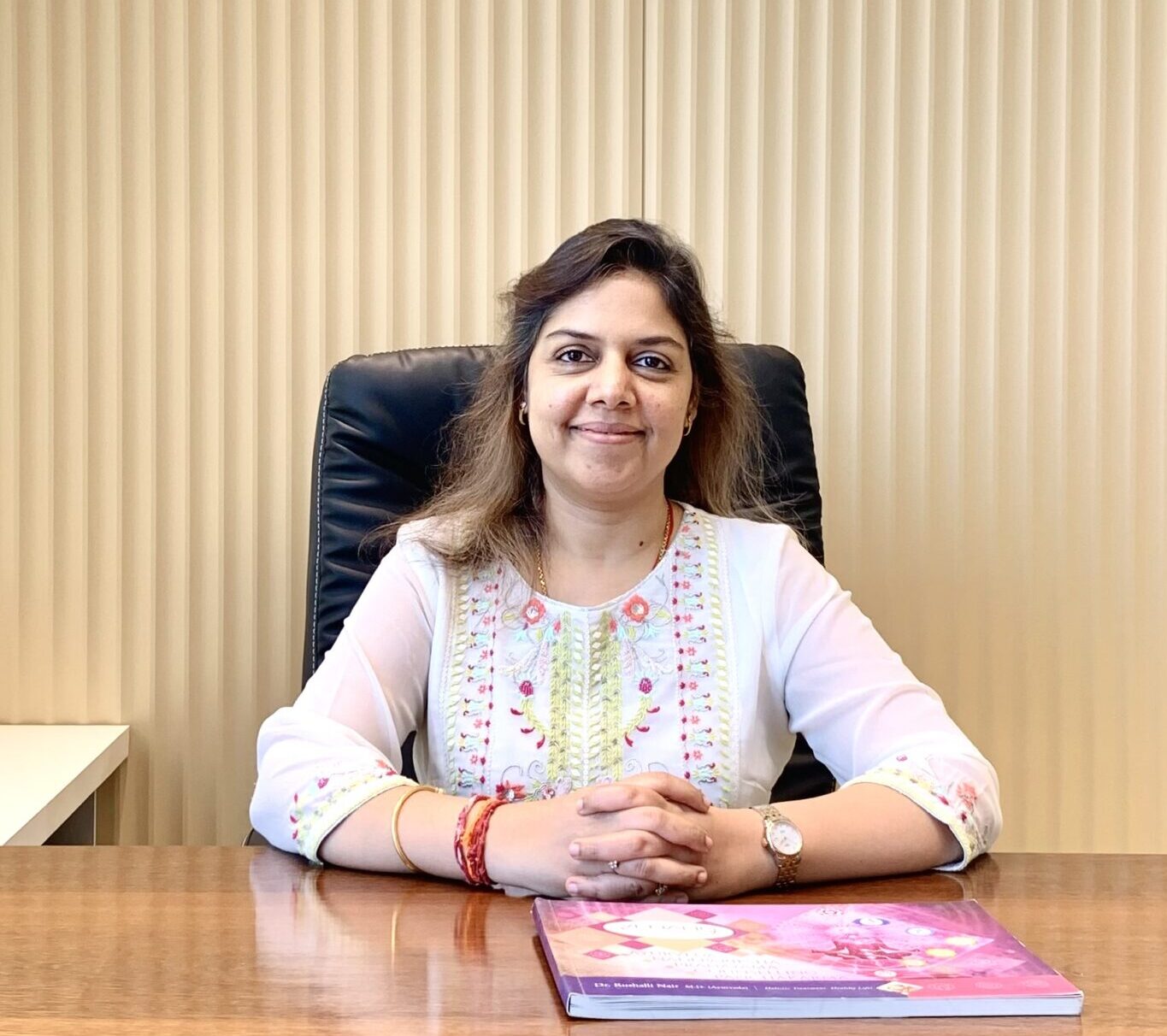
A meritorious alumna of the prestigious RA Poddar Ayurvedic College with profound spiritual understanding. She is trained in Nadi vidya by a strict guru-shishya lineage and has clinical experience with more than 20 years. An excellent orator who has been invited to various national and international platforms that empower audiences with the knowledge of Āyurveda. Dr. Rushalli Nair is the first-ever lady Vaidya who has been invited to Swaminarayan temple to offer her services to Sadhvis and devotees.